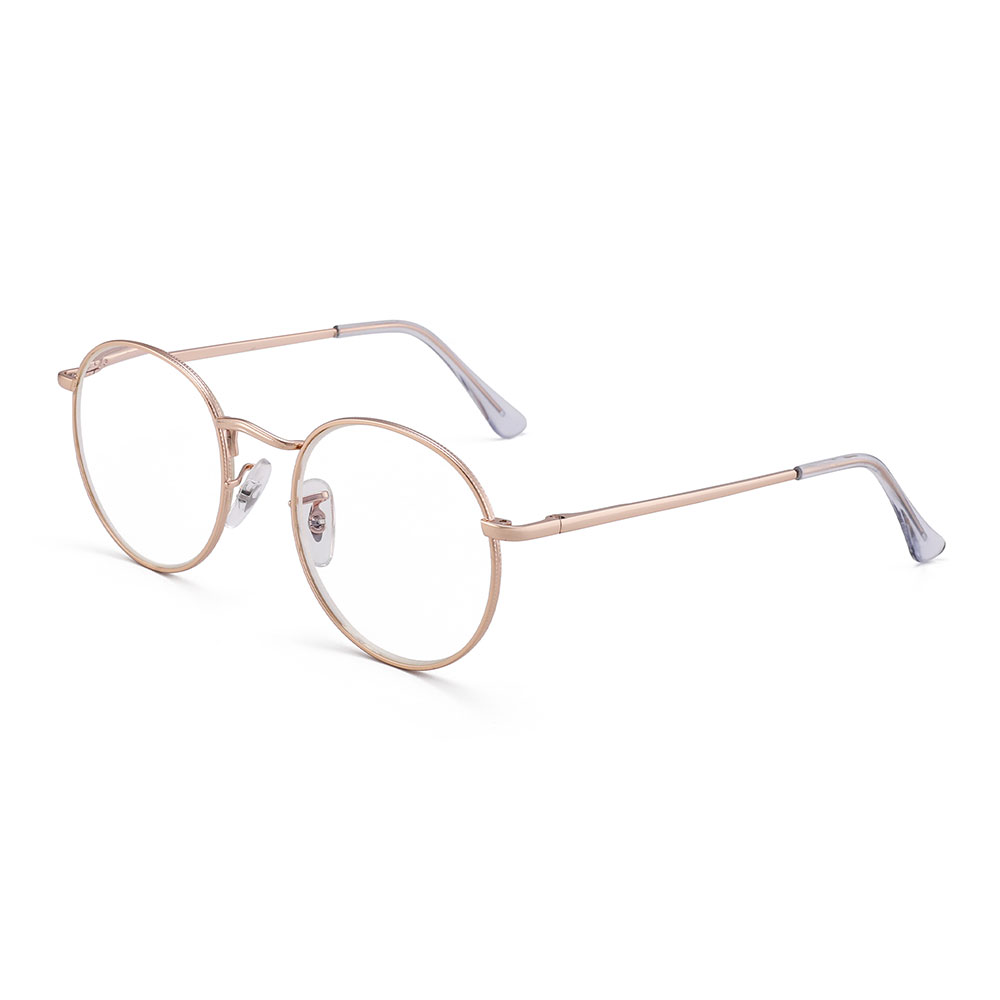
After four weeks of testing 12 different brands of blue light blocking reading glasses, I've gained some valuable insights. If you spend hours each day in front of a screen, you're likely familiar with the headaches and eye strain that can follow. We sought out glasses that genuinely filter harmful light without casting a green or yellow tint over your vision. Quality and customer service were also top priorities in our evaluation.
In our view, a good pair of reading glasses must fulfill three essential roles:
Our objective was straightforward: to find the optimal balance of quality and price. We based our assessment on four key criteria:
Clarity and Blocking Power: We evaluated the lenses using a standard blue light laser testing kit. We verified that each pair blocked a minimum of 90% of the highest energy blue light spectrum. We also assessed visual clarity and checked for any distortion.
Build Quality: We examined the frame materials and hinge construction closely. Inexpensive glasses often rely on thin plastic or low-grade metal, which tends to break quickly. We gave preference to durable spring hinges, as they withstand daily wear and tear much more effectively.
Comfort and Weight: Glasses weighing more than 20 grams can start to cause discomfort on the nose and ears after several hours. For all-day use, a lighter frame is almost always preferable.
Customer Experience (CX): We anonymously evaluated the ordering process, shipping speed, and customer support. A great product loses its value if the purchasing experience is frustrating or if shipping is consistently delayed.
We compared our top contender, Mozaer, against two major competitors. We also included a standard budget brand (Brand B) to illustrate the difference between inexpensive and quality products.
Verdict: Mozaer delivers about 75% of the quality found in Brand A's premium model but at a $16 lower price point. The difference in weight is a significant factor for long-term comfort.
Mozaer earned the top spot by offering high-end features at a mid-range price. The most noticeable difference was in the frame construction. Cheaper frames, like those on the JM model, often use heavy, brittle materials. In contrast, Mozaer's metal alloy frames were about 30% lighter than the JM model.
However, the real key to durability lies in the hinge. The inexpensive JM glasses use a standard fixed hinge, which tends to loosen quickly and can cause the glasses to slide down your nose. Mozaer employs high-quality spring hinges. This design allows the frame to adjust to your head size while maintaining tension over time, keeping the glasses secure yet comfortable.
Mozaer also excelled at its primary function: blocking blue light. The lenses provide excellent clarity without the strong yellow tint common in many cheaper models. This ensures accurate color perception, which is particularly important for anyone working with graphics or photos.