Last month, I found myself squinting at a menu on a sunny patio while trying to read the daily specials. A younger woman nearby noticed my struggle and asked, "Are those even helping?" I was completely embarrassed—it was the final push I needed to make a change.
I was searching for bifocal sunglasses designed for women—something that would let me read comfortably in bright sunlight while also cutting the glare from digital screens. It felt like a tall order. Finding the right pair seemed nearly impossible; most styles were either outdated or far too expensive. The idea of affordable, stylish bifocal sunglasses for women felt like a myth.
My biggest frustration was constantly juggling multiple pairs of glasses. Between my readers, sunglasses, and computer glasses, it was a total mess. I was always switching them out, forgetting where I’d left them, and my purse was overflowing. Driving was the worst—I’d need sunglasses outside, then struggle to read the dashboard. It felt both unsafe and incredibly annoying.
Around the same time, I started getting frequent headaches, which I’m sure were linked to the blue light from my computer screen. Since I spend hours working online, my eyes were constantly strained. I needed a single solution that covered everything: sun protection, reading assistance, and blue light filtering. That woman at the coffee shop was right—what I had simply wasn’t working.
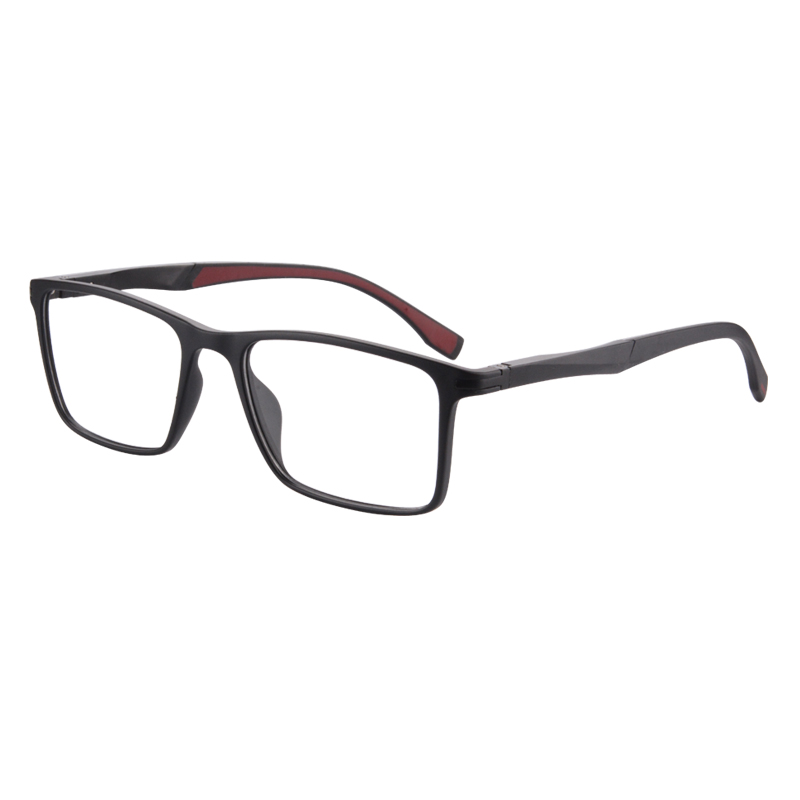
Everything changed when a friend told me about Mozaer Prescription Glasses. She mentioned they offered blue light blocking progressive multifocal reading glasses that could be custom-made. I was intrigued and decided to look them up online. One model immediately caught my eye: the SHINU Blue Light Blocking Progressive Multifocal Reading Glasses Men Photochromic Sunglasses Prescription Glasses Gaming custom blue light 0 degree-C1 black red. It sounded like exactly what I needed. The fact that I could try Mozaer Prescription Glasses gave me the confidence to make the purchase.
Verdict: Look for glasses that combine multiple solutions, like blue light blocking and sun protection.
From the very first day wearing my Mozaer glasses, I noticed a dramatic difference. The progressive lenses were incredible—I could see clearly at every distance. Reading, driving, and working on the computer suddenly became effortless. The blue light blocking feature made a real impact on my headaches, and I experienced far less eye strain by the end of the day. Plus, they actually look stylish!
Verdict: Progressive lenses are an excellent choice if you need visual support at varying distances.
Reading at the beach: For the first time, I could read my book without squinting. The sun protection was perfect, and the bifocal segment made even the smallest print easy to see.
Working on the computer: The blue light blocking noticeably reduced eye strain. I could work for hours without a headache, and the progressive lenses let me shift focus smoothly between my screen and my notes.
Driving on a sunny day: No more awkward switching between sunglasses and readers. The photochromic lenses adjusted to the light, and the bifocal area allowed me to check the dashboard clearly and safely.
I did look into other brands as well. Warby Parker seemed decent, but I came across several complaints online about blurry lenses—apparently, some customers had to visit other stores to correct their prescriptions. I also read reviews about GlassesUSA where people mentioned they only offered store credit instead of refunds, even when the prescription was incorrect.
Verdict: Think about how you’ll use your glasses most often and choose features that match your daily life.
Through my search, I learned a few key things about finding the right bifocal sunglasses for women: