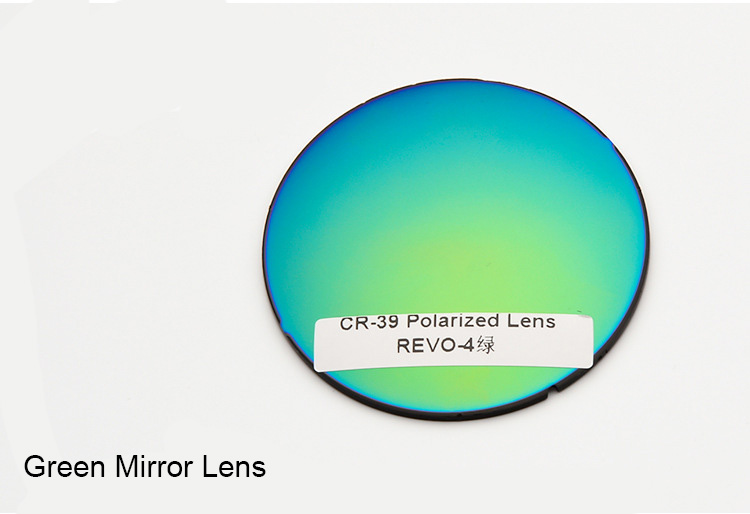
I used to believe all reading glasses were essentially the same. If I needed a 1.50 power, I'd just grab the cheapest pair available. Why spend $50 when a $20 pair seemed to do the job?
I was mistaken. When you're searching for the best bifocal reading glasses, the inexpensive options fall short quickly. They scratch almost immediately, cause headaches, and are certainly not suitable for driving.
I needed lenses that could handle bright sunlight while still letting me read my phone. I needed genuine polarized bifocals. This is my journey from flimsy $20 readers to high-end $49 optics.
My first pair cost $20 and lasted only three weeks. This stage is all about convenience and low price, but the quality is severely lacking. The lenses are made from basic acrylic or cheap polycarbonate (PC).
These glasses feel fragile—the hinges give out quickly, and the optics are often cloudy, leaving my eyes tired after just an hour of reading.
If you read reviews for these ultra-cheap options, you'll notice people complain more about how quickly they fail rather than their quality.
Verdict: These are disposable glasses. They might work if you frequently lose your readers, but they aren't doing your eyes any favors.
I then upgraded to a $40 pair. They were... acceptable. In this range, the frames tend to be a bit sturdier, sometimes featuring spring hinges, which is a definite improvement.
However, the lens quality often remains mediocre. They're typically still basic PC lenses. While they may claim to be "polarized" or "anti-glare," they rarely use genuine high-grade materials.
I found they didn't adequately filter harsh sunlight. The reading area was passable, but I still experienced eye strain after wearing them all day.
Feedback for these glasses is usually neutral—they don't impress, but they don't break right away either.
What was missing?