Like many of you, I spend hours in front of a computer screen every day. Whether it's for work, gaming, or just browsing the internet, my eyes often feel tired and strained by the end of the day. I started wondering if those anti-fatigue or blue light glasses could offer some relief. So, I decided to dive in and share what I've learned through my own experience.
I was initially drawn to the idea of blue light glasses, hoping they could alleviate the eye strain I was experiencing. I explored different options, wondering if they were a worthwhile investment or just a marketing gimmick. I even considered getting a prescription pair, but I wanted to explore all avenues first.
I tried using blue light filtering lenses for a while, probably around six years. Honestly, I'm not sure they made a huge difference. I started to wonder if they were actually making things worse by slightly distorting the colors I was seeing. It’s hard to say for sure, but I eventually stopped using them altogether. It felt like I was constantly adjusting to a slightly "off" color palette.
One thing I found helpful was adjusting the brightness of my monitor and making sure my room was well-lit. I learned that ambient light plays a big role in how your eyes perceive the screen. If the screen is much brighter than the surrounding environment, your eyes have to work harder.
I discovered that the built-in blue light filters on my computer actually made a noticeable difference. Windows has a feature that allows you to adjust the color temperature of your screen, reducing the amount of blue light emitted. This is a free and easy way to potentially reduce eye strain, and it's something I highly recommend trying before investing in glasses. I tend to set mine to activate in the evenings, which helps me wind down before bed too.
Speaking of relief, I also found that taking regular breaks is crucial. The 20-20-20 rule is a lifesaver: every 20 minutes, look at something 20 feet away for 20 seconds. It's simple, but it really helps to relax your eye muscles.
While researching, I came across some interesting information that suggested blue light filtering glasses might not be as effective as marketed. Some sources even indicated that any perceived benefits might be a placebo effect. This made me question my initial desire to invest in a pair even more.
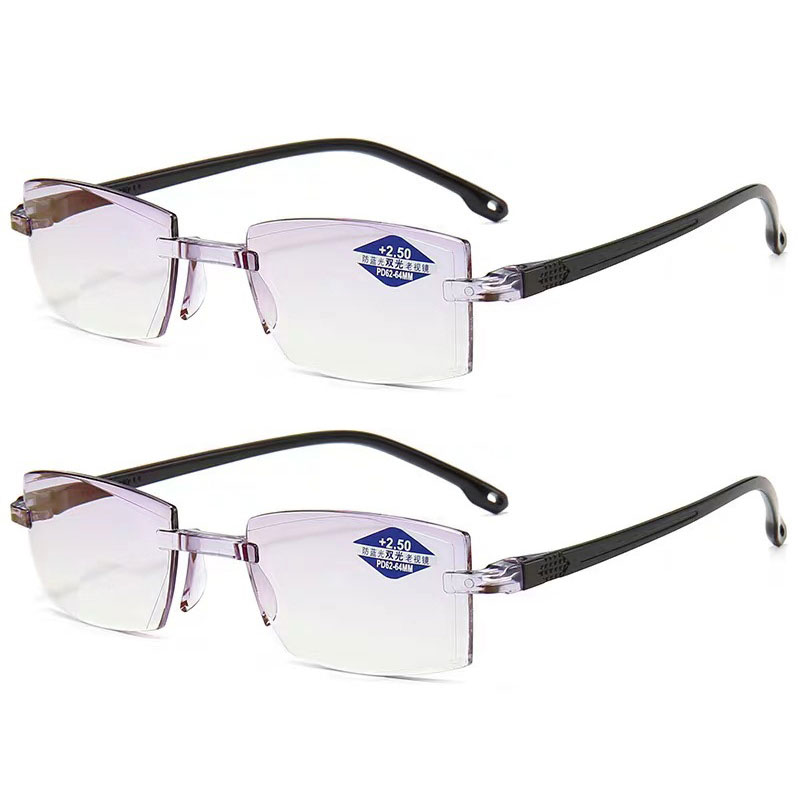
However, I have friends who swear by reading glasses, especially as we all get a little older. A friend of mine found some success with 2PCS Reading Glasses Bifocal Glasses Progressive Reading Glasses. They mentioned that the progressive lenses really helped with focusing on different distances, which is great when switching between the screen and documents. They also appreciated the anti-blue light feature, even if the effect is subtle. I think if you need reading glasses anyway, it's worth considering a pair with blue light filtering.
Here's a summary of what I've learned and what I recommend to reduce eye strain from computer use: